When I was pregnant with my first daughter, swelling wasn't something I thought much about.
I saw the photos online.
The swollen feet.
The ankles that disappeared.
The compression socks.
But somehow, I escaped all of it.
Or so I thought.
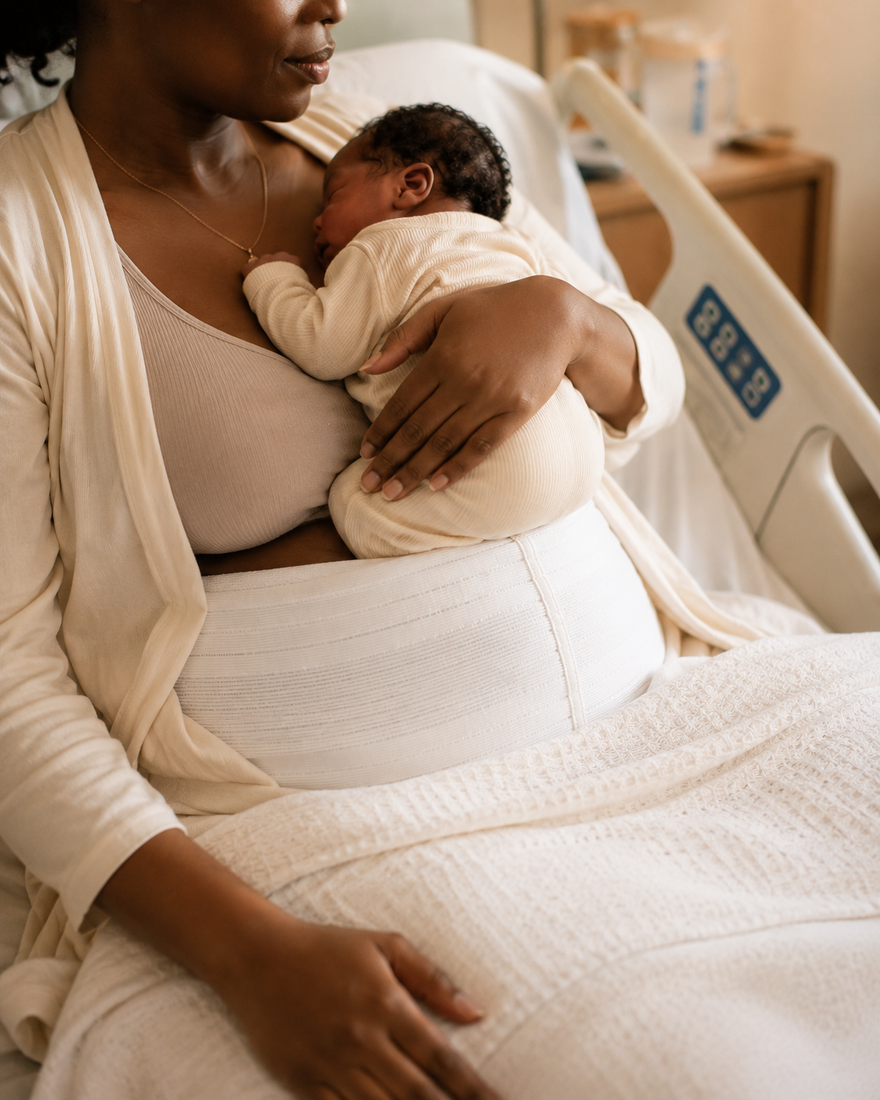
Then I got home from the hospital.
I looked down one day and barely recognized my feet.
My ankles were gone.
My legs felt heavy.
My shoes didn't fit.
I remember thinking:
"This can't be normal."
I convinced myself something had to be wrong.
Was I retaining fluid?
Was it my blood pressure?
Should I call my doctor?
Nobody had warned me that postpartum swelling can actually show up after delivery.
As it turns out, it was completely normal.
During pregnancy, your body holds onto extra fluid and dramatically increases blood volume to support your baby. After delivery, that fluid doesn't simply disappear. Your body slowly works to get rid of it over the days and weeks that follow.
For many moms, that means swelling can actually feel worse after birth before it gets better.
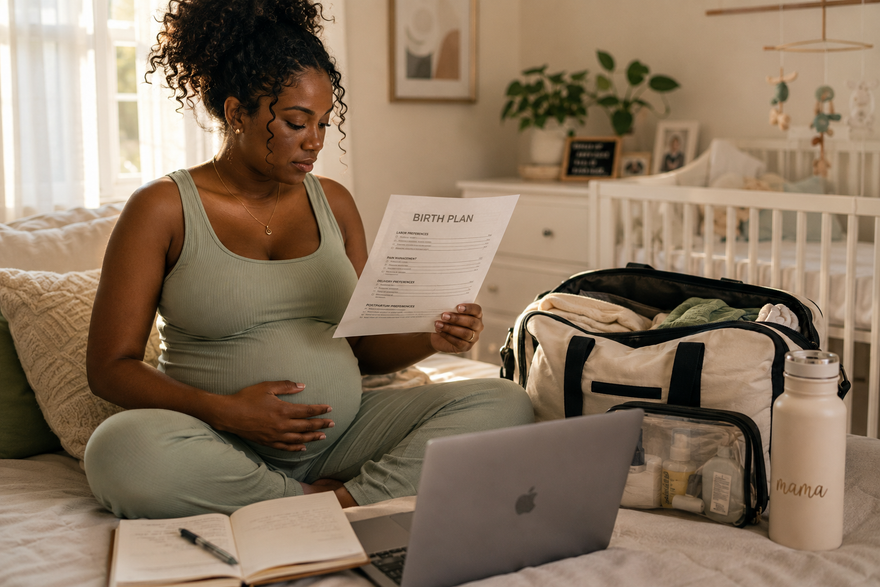
Then came my twin pregnancy.
And everything was different.
This time, swelling wasn't something that showed up after delivery.
It followed me through much of my third trimester.
By the end of the day, my feet ached.
My ankles disappeared.
Even simple walks felt uncomfortable.
Because I was carrying twins, I was also considered high risk and closely monitored for complications, including preeclampsia.
Suddenly, swelling wasn't just uncomfortable.
It was something my care team paid close attention to.
And that's when I learned something important:
Not all swelling is created equal.
When Swelling Is Usually Normal
Many moms experience swelling in their:
- Feet
- Ankles
- Legs
- Hands
Especially during late pregnancy and the first few weeks postpartum.
Normal swelling often improves with:
- Rest
- Hydration
- Elevating your feet
- Gentle movement
- Compression socks approved by your provider
When to Call Your Doctor
While swelling is common, certain symptoms deserve prompt medical attention.
Contact your healthcare provider immediately if you experience:
- Sudden or severe swelling
- Swelling that affects only one leg
- Severe headaches
- Blurry vision or seeing spots
- Chest pain
- Shortness of breath
- Dizziness
- Elevated blood pressure
- Pain, redness, or warmth in one leg
These symptoms can sometimes be associated with serious conditions, including postpartum preeclampsia or blood clots.
Something Every Mom Should Know
Before having children, I assumed preeclampsia was something that only happened during pregnancy.
I didn't realize it could happen after delivery too.
Postpartum preeclampsia is rare, but it can be serious.
That's why it's so important to pay attention to how you're feeling and contact your healthcare provider if something doesn't seem right.
A Note From Us
This article is intended for educational purposes only and should not replace medical advice from your healthcare provider. If you have concerns about swelling, blood pressure, or any postpartum symptoms, seek medical attention promptly.
Looking back, what stands out most isn't the swelling itself.
It's how different both pregnancies were.
One pregnancy brought almost no swelling until I got home.
The other brought months of it and frequent monitoring.
Motherhood has taught me that every pregnancy is different.
Every recovery is different.
And sometimes the things that seem scary turn out to be completely normal.
But if something feels off, trust yourself enough to ask.
That's a lesson worth carrying into motherhood too.